


The present


Σκηνοθέτης - Director
Ursula Marini
Παραγωγός - Producer
Ursula Marini - Helena Varvaki
Χώρα / Χώρες Παραγωγής - Country of Production
Brazil
Έτος Παραγωγής της Ταινίας - Year of Production of the Film
Διάρκεια σε λεπτά- Duration in minutes
15
Πρεμιέρα στο Φεστιβάλ (συμμετοχή για το βραβείο Πρεμιέρας)
No
Πρώτη Προβολή στο Φεστιβάλ - Film Premiere
No
Γλώσσα / Γλώσσες Διαλόγων - Language / Languages Dialogues
English
Γλώσσα / Γλώσσες Υποτίτλων - Subtitle Languages
English
Φωτογραφία Σκηνοθέτη - Directors Photo
Συντελεστές - Movie Credits Actors,photography,sound etc
Ursula Marini
Director
The farm
Ursula Marini
Writer
The farm
Ursula Marini
Producer
The Farm
Helena Varvaki
Producer
Helena Varvaki
Key Cast
"Pillar Vitória"
Director
The farm
Ursula Marini
Writer
The farm
Ursula Marini
Producer
The Farm
Helena Varvaki
Producer
Helena Varvaki
Key Cast
"Pillar Vitória"
Περίληψη στα (Αγγλικά) μέχρι 100 λέξεις - Summary (English) up to 100 words: Και οι Ελληνικές ταινίες να εχουν περίληψη στα Ελληνιικά και Αγγλικά
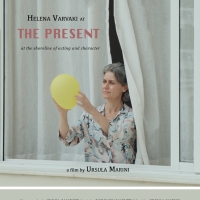
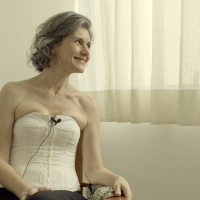
"The present" tells the story of Pillar Vitória, an actress who is preparing to perform Hecuba, the greek character from Euripede's classic tragedy, in an international production, but the project is suddenly canceled. She will need to pull herself together.
Βιογραφικό (Ελληνικά) μέχρι 100 λέξεις - Curriculum Vitae (English) up to 100 words
-
Βιογραφικό (Αγγλικά) μέχρι 100 λέξεις - Curriculum Vitae (English) up to 100 words: Και για τους Ελληνες Σκηνοθέτες
Ursula Marini was born in Rio de Janeiro (Brazil), 1980. She has a bachelor’s degree in Communication (Journalism) at Pontifical Catholic University of Rio de Janeiro, bachelor’s degree in Film Directing at the International School of Film and Television from Cuba (EICTV) and a master’s degree in Scriptwriting for film and television from the Carlos III University (Madrid, Spain) with a scholarship from The Carolina Foundation.
In June 2019, Ursula was selected to attend to the “Sounds of Summer”, a workshop in Barcelona with the Argentinian director Lucrecia Martel with filmmakers from around the world. In August 2019, Ursula was part of an international jury in Bolívia, in a Program created by the Bolivian Government's Funds, in the calls for Film Project Development and Feature Post-Production Projects.
Ursula worked in TV Globo for ten years. There, she has participated in several screenwriting workshops with renowned names such as Robert McKee, Alan Kingsberg, Guillermo Arriaga, Daniel Burman and John Truby and has held different roles, always in the area of Dramaturgy. She joined TV Globo in 2010, as an assistant director on the soap operas “Destiny river”, “Hail, George”, “Old river” and the TV series “Mr Brau.” In 2012, she was part of a Creative Analysis Department, directed by José Carvalho, responsible for reading and analyzing the dramaturgy projects produced and exhibited by TV Globo. In 2016, she directed the making-of of the international TV show “Supermax”, a co-production from Estúdios Globo and Oficina Burman (Argentina). In 2018, she joined the writer’s room of “Palma’s rice”, a soap-opera written by Edmara Barbosa and Bruno Luperi.
Parallel, she develops her personal projects in her company Umacine.
Director Statement
The short film The present was inspired by an image: during the pandemic, in the solitude of her apartment in Rio de Janeiro, a 57-year-old actress of Greek origin is dancing wearing just blouse and panties as she watches a gymnastic class in English.
This intimate image of Helena's daily life during the pandemic, besides being unusual and amusing, also seemed to me extremely representative of the forced social isolation we were living. In a tragic context, marked by deaths and misfortunes, we started to look for different survival strategies and some of them meant a displacement of our self, translated by the desire for new experiences, as an unconscious urge to breathe new air to survive and seek for an inner freedom when we feel trapped.
From this image and countless conversations we shared in weekly meetings throughout 2020, the character Pillar Vitória emerged, an actress who is preparing to perform the character Hecuba, from the play The Trojan Women, written by Eurıpides, when the project is canceled.
The title is an allusion to the current moment, where thousands of people and artists have had their lives and projects interrupted, and also a reference to Zen Philosophy and the gifts that the character finds in the corridor: the balloons and the boat/dinghy. The fact that the two elements are unstable also symbolizes our lives devoid of meaning during the pandemic and that, in the midst walls, masks and lack of air, will also need to be filled and resignified.
The balloons, which will have different uses and meanings throughout story, also pose the question: and when there is no role to perform, what to do with balloons? What to do with our lives?
We can explode with rage, throw everything away or throw ourselves into the abyss, but we can also, like Pillar Vitoria, go with the current, allow ourselves to be crossed by what we have lost and thus transform borders into shores.
In any boat, abandoned in the trash, there can always be an immense sea to navigate in.
In June 2019, Ursula was selected to attend to the “Sounds of Summer”, a workshop in Barcelona with the Argentinian director Lucrecia Martel with filmmakers from around the world. In August 2019, Ursula was part of an international jury in Bolívia, in a Program created by the Bolivian Government's Funds, in the calls for Film Project Development and Feature Post-Production Projects.
Ursula worked in TV Globo for ten years. There, she has participated in several screenwriting workshops with renowned names such as Robert McKee, Alan Kingsberg, Guillermo Arriaga, Daniel Burman and John Truby and has held different roles, always in the area of Dramaturgy. She joined TV Globo in 2010, as an assistant director on the soap operas “Destiny river”, “Hail, George”, “Old river” and the TV series “Mr Brau.” In 2012, she was part of a Creative Analysis Department, directed by José Carvalho, responsible for reading and analyzing the dramaturgy projects produced and exhibited by TV Globo. In 2016, she directed the making-of of the international TV show “Supermax”, a co-production from Estúdios Globo and Oficina Burman (Argentina). In 2018, she joined the writer’s room of “Palma’s rice”, a soap-opera written by Edmara Barbosa and Bruno Luperi.
Parallel, she develops her personal projects in her company Umacine.
Director Statement
The short film The present was inspired by an image: during the pandemic, in the solitude of her apartment in Rio de Janeiro, a 57-year-old actress of Greek origin is dancing wearing just blouse and panties as she watches a gymnastic class in English.
This intimate image of Helena's daily life during the pandemic, besides being unusual and amusing, also seemed to me extremely representative of the forced social isolation we were living. In a tragic context, marked by deaths and misfortunes, we started to look for different survival strategies and some of them meant a displacement of our self, translated by the desire for new experiences, as an unconscious urge to breathe new air to survive and seek for an inner freedom when we feel trapped.
From this image and countless conversations we shared in weekly meetings throughout 2020, the character Pillar Vitória emerged, an actress who is preparing to perform the character Hecuba, from the play The Trojan Women, written by Eurıpides, when the project is canceled.
The title is an allusion to the current moment, where thousands of people and artists have had their lives and projects interrupted, and also a reference to Zen Philosophy and the gifts that the character finds in the corridor: the balloons and the boat/dinghy. The fact that the two elements are unstable also symbolizes our lives devoid of meaning during the pandemic and that, in the midst walls, masks and lack of air, will also need to be filled and resignified.
The balloons, which will have different uses and meanings throughout story, also pose the question: and when there is no role to perform, what to do with balloons? What to do with our lives?
We can explode with rage, throw everything away or throw ourselves into the abyss, but we can also, like Pillar Vitoria, go with the current, allow ourselves to be crossed by what we have lost and thus transform borders into shores.
In any boat, abandoned in the trash, there can always be an immense sea to navigate in.
Trailer